The Wildfire That Changed Panthera Africa Forever
The Wildfire No One Could Have Prepared For
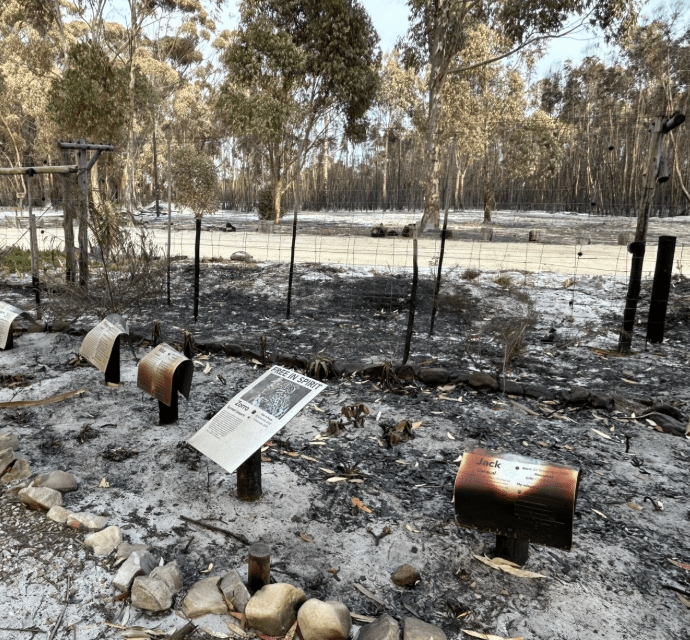
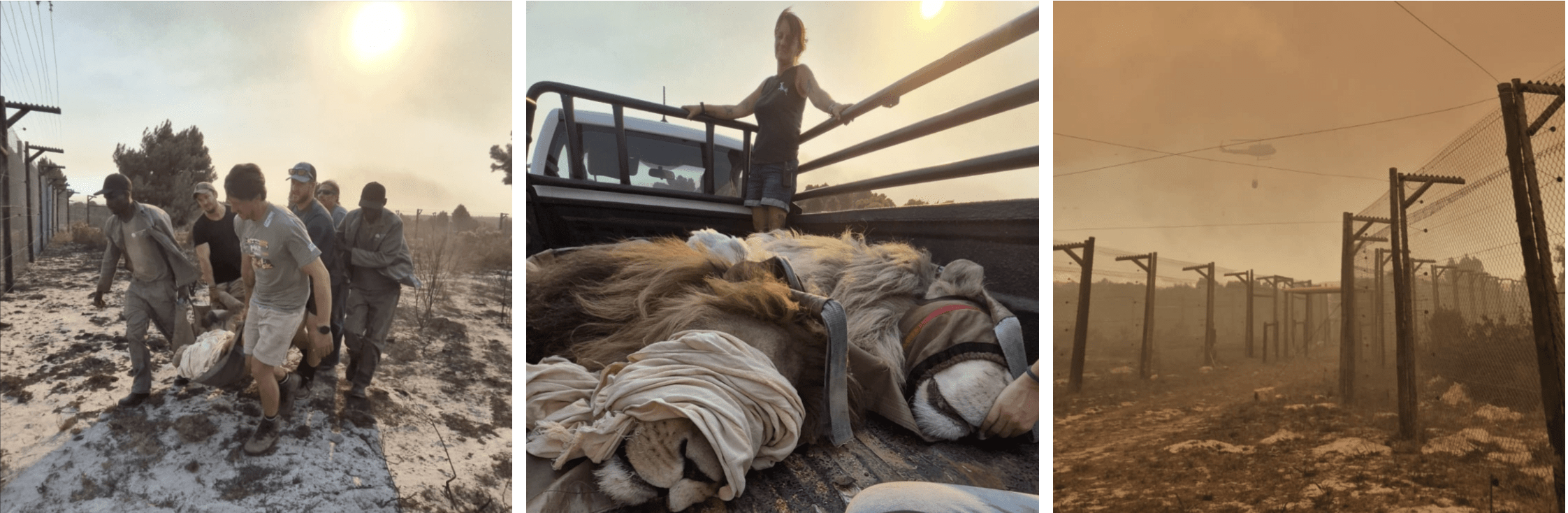
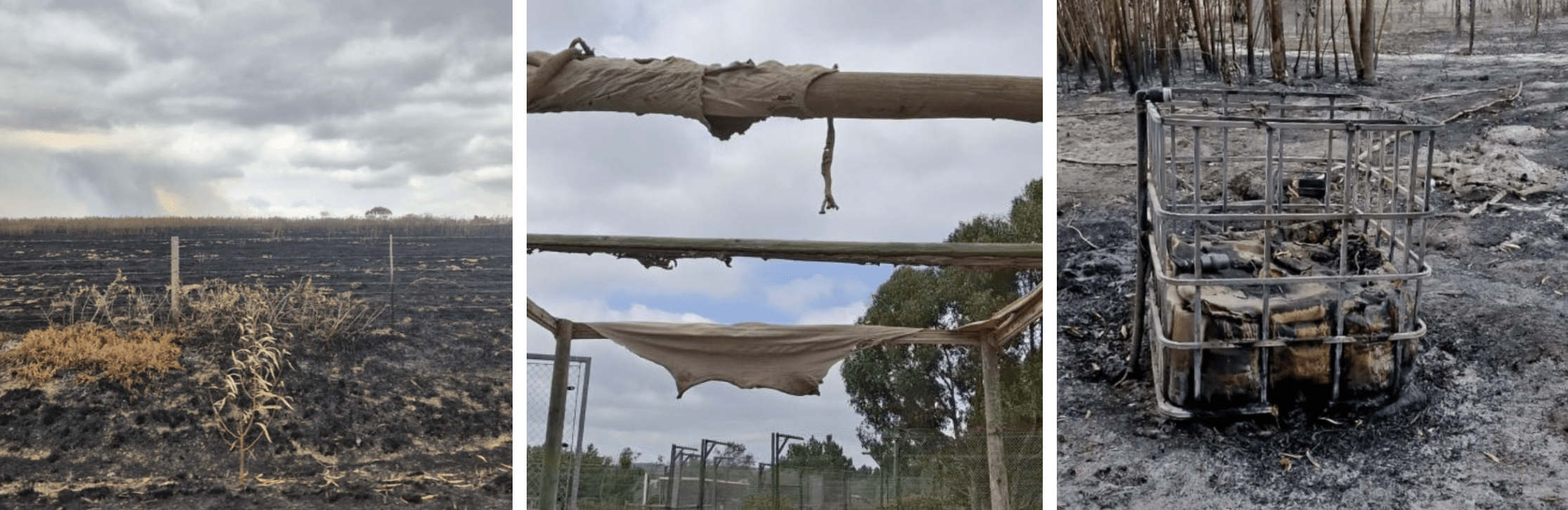
On 8 January 2026, a fast-moving and uncontrollable wildfire swept through Panthera Africa Big Cat Sanctuary, causing widespread devastation across our property and neighbouring farms. Several big cat camps were destroyed, along with critical infrastructure, including electrical systems and perimeter fencing.
The fire was declared a Code Red emergency, the highest level of alert, due to its intensity and scale. Municipal firefighting teams were placed under severe strain and urgent assistance was called in from surrounding municipalities as crews worked tirelessly to contain the blaze.
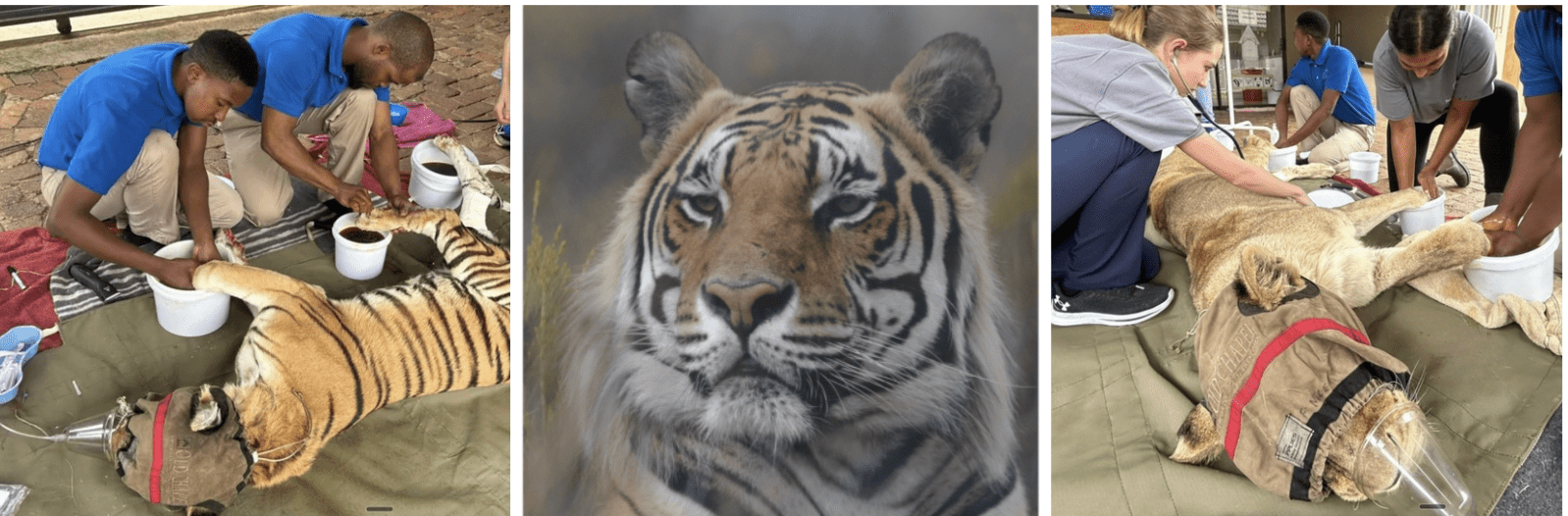
Through the courage and dedication of our team, all 26 animals were kept safe during the fire, with those in immediate danger successfully moved out of harm’s way. Tragically, despite every effort, our beloved tiger Rays (below centre) did not survive. Although he had been evacuated in time, smoke inhalation combined with the effects of darting led to lung oedema and cardio-respiratory compromise. He fell into a coma and passed away peacefully. His loss was felt deeply by our team and the wider community who loved him dearly.
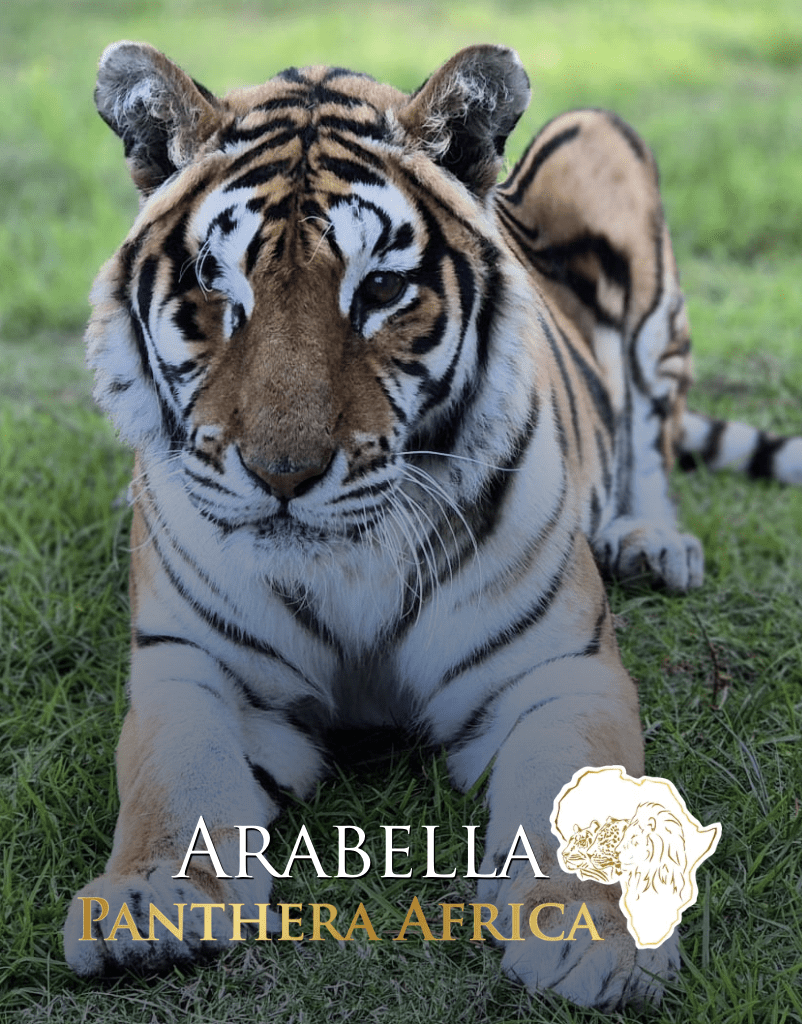
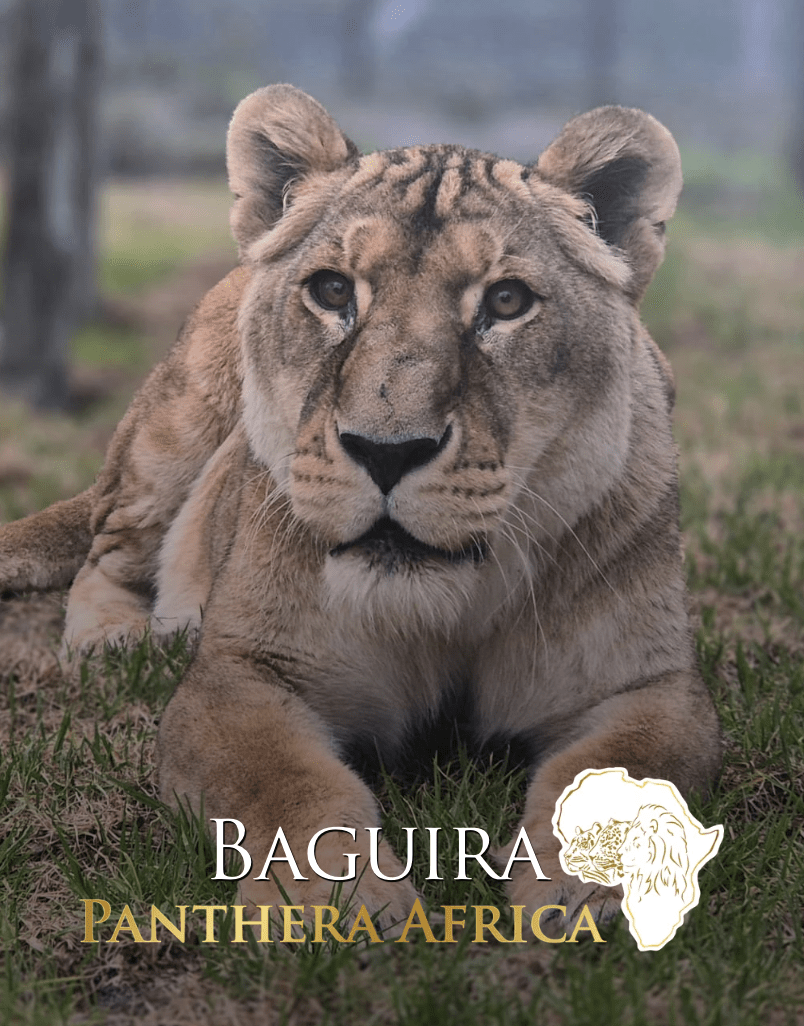
While most of the animals escaped without critical injury, two of our big cats were not as fortunate. Arabella, our tigress (below left), and Baguira, our lioness (below right), sustained serious fire-related injuries and required long-term, intensive veterinary care under the close supervision of our specialist veterinarian.
The Miracle Evacuation in the Midst of a Fire
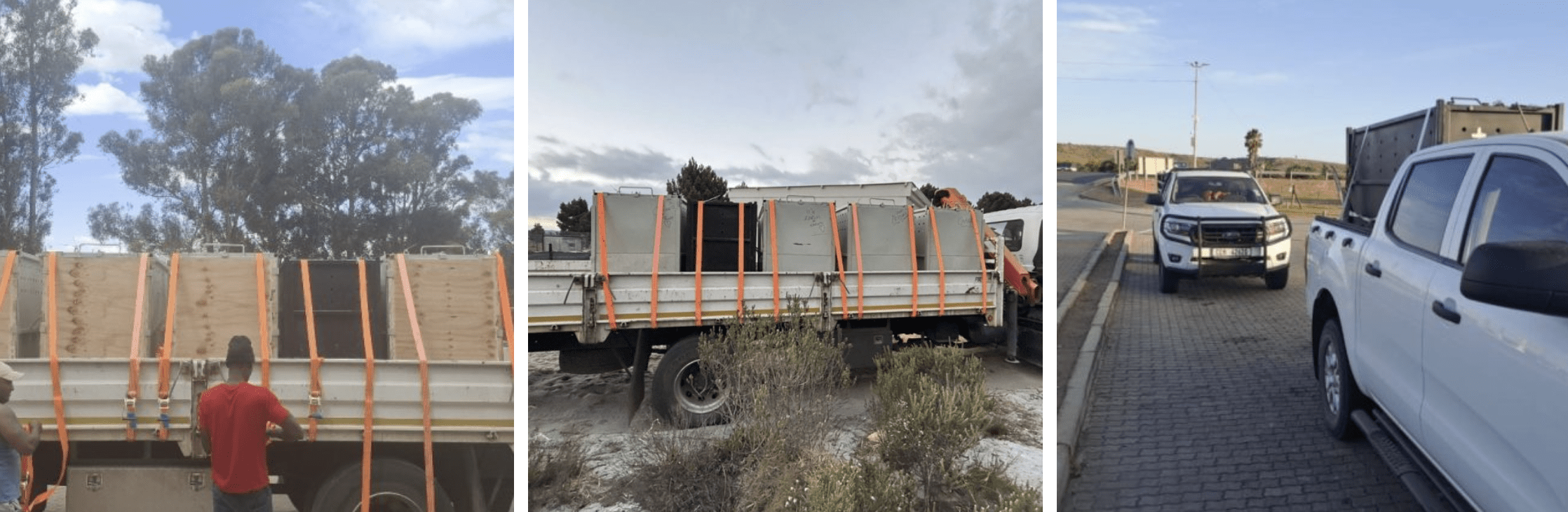
Together with our on-site wildfire advisor, we made the incredibly difficult but necessary decision to evacuate most of our animals, including all of our big cats, to trusted partner sanctuaries across the country. The first evacuations began on the day of the fire. In the days that followed, emergency permits were secured, complex transport logistics were coordinated and teams from partner sanctuaries, some as far as 14 hours from Stanford by road, arrived to help relocate our animals to safety.
What made an evacuation of this scale truly extraordinary was the number of partner sanctuaries that responded at such short notice and the speed with which they mobilised. They stepped in without hesitation, bringing the resources and expertise needed to accommodate our big cats under extremely challenging conditions. This was no small undertaking.
Big cats could not simply be moved or placed anywhere. Each animal had to be carefully crated under expert veterinary supervision, with permits secured for travel across provincial borders and suitable transport arranged for their safe relocation. They also required species-specific enclosures, rigorous safety standards and highly experienced teams to care for them. Our partner sanctuaries either had suitable space available or created it by carefully relocating some of their own animals within their facilities. As many sanctuaries operated at or near capacity, this was extraordinary in itself.
The coordination required was immense, yet it came together in a matter of days. What unfolded during that short period was nothing short of a miracle. We remained profoundly grateful to every sanctuary and individual who answered our call for help and stood beside us when it mattered most. This decision was not taken lightly. Moving big cats was complex and carried inherent risks. However, with uncontrollable fires in the immediate area and continued flare-ups around and within the sanctuary, evacuation was the only responsible course of action to ensure their safety.
Impact of the Wildfire & Our Long Road to Recovery
Western Cape Premier Alan Winde stated that the province was experiencing its worst fire season in more than a decade. Approximately 132,000 hectares (326,000 acres) of land had burned across the Western Cape, with double the number of fires recorded compared with the same period the previous year. This placed immense pressure on firefighting resources throughout the region.
At the time, it was too early to confirm the total financial cost, the extent of our losses, what would be required to recover fully or what our next steps would be. The full impact of the wildfire on Panthera Africa still needed to be assessed while we awaited official reports and insurance evaluations. What we did know was that the cost of recovery would be considerable and far beyond what we could meet alone.
Throughout this period, our focus remained firmly on caring for all our animals, including those who were not evacuated. We continued to prioritise Arabella and Baguira’s long-term recovery while supporting our team as they carried out their work under extraordinarily challenging circumstances.
Loss of Income & Immediate Areas of Need
Beyond the devastating physical damage caused by the wildfire, we had also lost our primary sources of income and were unable to host educational visits or operate our volunteer programme. Our curio shop also remained closed. These activities had previously represented a substantial portion of our monthly revenue.
Until we were able to resume operations, we relied entirely on the public’s generosity. This support helped us cover the significant financial impact of the disaster, which unfolded over several days, as well as the ongoing costs of recovery as we worked to establish a sustainable path forward.
Public support helped us cover:
1. Immediate Disaster-Related Costs
The wildfire unfolded over several days, resulting in extensive and unavoidable expenses. These included the emergency firefighting response, urgent veterinary intervention and the preparation and evacuation of the majority of our animals to ensure their safety. At the time, the full financial impact of this period was still being determined.
2. Ongoing Recovery & Veterinary Care
We entered a long-term recovery period, the duration of which remained uncertain. At the time, seven animals were at the sanctuary and continued to require daily care. Arabella and Baguira also required intensive veterinary treatment, resulting in significant and unexpected additional costs.
3. Supporting Our Team and Daily Operations
Our dedicated team remained at the heart of everything we did. Funding was needed to cover daily operational costs, support staff salaries and ensure that we could continue providing consistent, high-quality care for our animals. Ongoing support also allowed us to respond to unforeseen challenges and emergencies throughout our recovery.
“Ten years ago, we founded Panthera Africa to end the suffering of big cats in captivity. Today, much of what we built with love, care, and dedication lies in ashes, and we made the difficult decision to relocate our beautiful big cats for their own safety. This tragedy will not define us. Our home is broken, but our spirits are not. With your ongoing support, We can continue protecting the animals in our care and begin to recover from this tragedy.”
Catherine S. Nyquist & Lizaene Cornwall, Co-founders